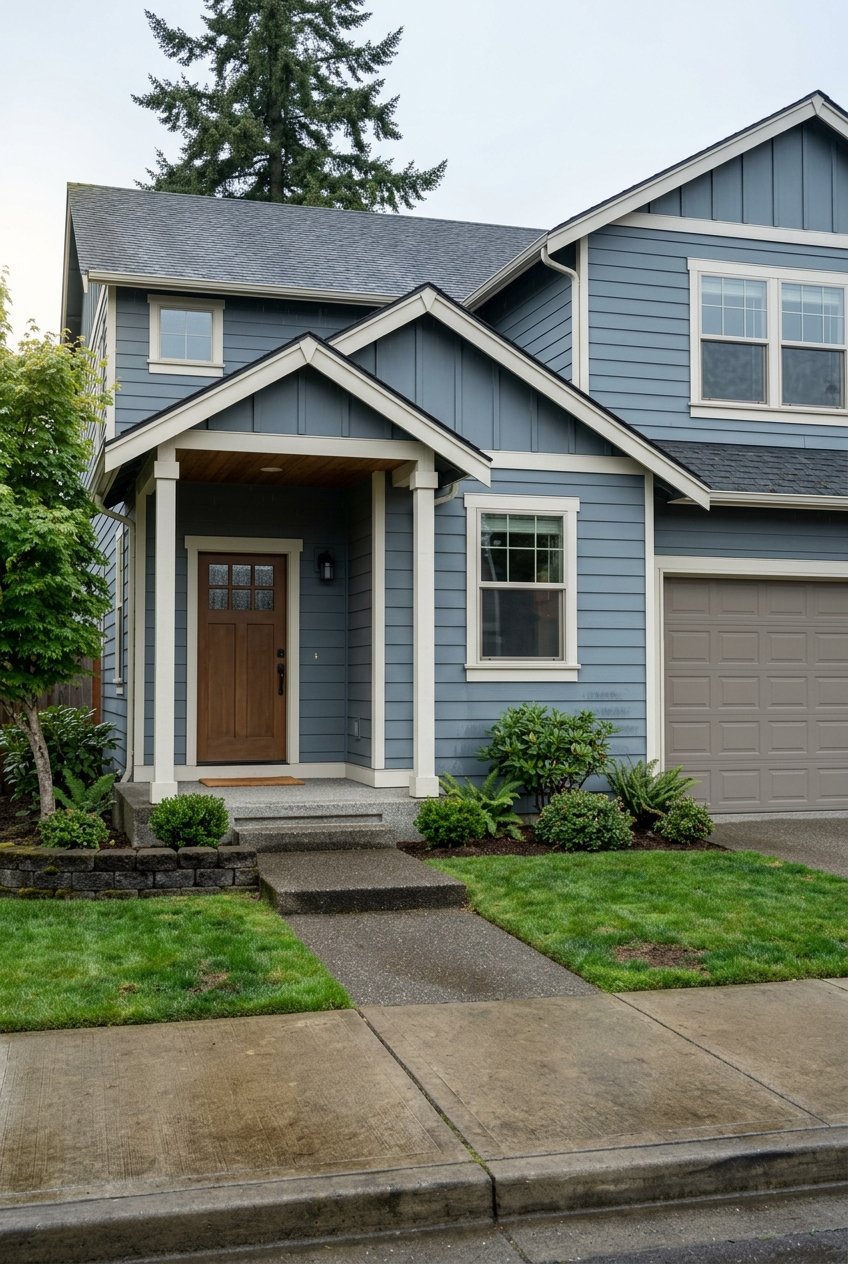
If you are home shopping in Bremerton, one of the biggest mistakes you can make is comparing homes without comparing how each neighborhood fits your daily life. A great house can feel a lot less great if the commute, street pattern, or nearby amenities do not match what you actually need. The good news is that Bremerton gives you real variety, and once you know what to look for, the search gets much clearer. Let’s dive in.
Start With Your Daily Routine
When you compare Bremerton neighborhoods as a homebuyer, the smartest first step is not price. It is your routine. Think about how often you will commute by ferry, bus, or car, how close you want to be to work or services, and whether you want a more urban setting or a quieter residential pattern.
Bremerton is not built as one uniform city. Its current planning approach focuses more population and employment into places like Downtown, Harrison Heights, Wheaton-area district centers, Charleston, Manette, and the PSIC-Bremerton industrial center. That means neighborhood feel can change a lot from one part of the city to another.
Understand Bremerton’s Neighborhood Differences
Some Bremerton areas are shaped for mixed-use growth, walkability, and transit. Others are more centered on parks, open space, or a more traditional residential layout. As a buyer, your job is to decide which tradeoffs feel right for you.
A simple way to compare neighborhoods is to look at five things:
- Commute and ferry access
- Housing style and neighborhood layout
- Walkability to shops, parks, and waterfront spaces
- Proximity to major local employers or services
- Comfort with redevelopment and future change
Compare Downtown Bremerton
Downtown lifestyle and access
Downtown Bremerton is the city’s metropolitan regional growth center, with dense housing, jobs, entertainment, active transportation, and transit choices. If you want the shortest walk to the ferry and a more urban lifestyle, this is usually the first area to consider.
The harbor area adds a lot to daily life. You have the Kitsap Conference Center, hotels, dining, cafes, the Port of Bremerton Marina, the Puget Sound Navy Museum, the Boardwalk, Harborside Fountain Park, and Louis Mentor Boardwalk along the waterfront. For many buyers, the biggest draw here is convenience and a lower-maintenance feel.
Who Downtown may fit best
Downtown can be a strong fit if you:
- Commute regularly via the Bremerton Transportation Center or ferry
- Want to be close to waterfront spaces and local businesses
- Prefer a denser, mixed-use setting
- Do not need a more traditional residential street pattern
If your goal is to step outside and feel connected to transit and the waterfront right away, Downtown stands out.
Compare Manette and East Bremerton
Manette’s neighborhood feel
Manette offers a smaller commercial and mixed-use district surrounded by single-family and multifamily neighborhoods. The area is known for views toward the Narrows, Sinclair Inlet, and Downtown, along with a more established neighborhood scale.
The city highlights the Manette Bridge as a short walk to more cafes and shopping. Manette Park is another local amenity that gives the area added outdoor appeal. Buyers who want east-side convenience without the most urban Downtown setting often put Manette high on their list.
Transit and convenience in Manette
Kitsap Transit Route 221 serves Wheaton Way Transit Center, Perry Avenue, Manette, and the Bremerton Transportation Center. That gives you a transit option, but the feel here is still different from living directly Downtown.
If you like the idea of local storefronts, established residential streets, and reasonable access back toward the city center, Manette is worth a close look.
Compare East Park and Harrison Heights
Newer planning and housing design
If you are looking for newer or more intentionally planned housing, East Park and Harrison Heights deserve extra attention. East Park is a 47-acre East Bremerton tract between the Harrison district and Manette, overlooking the Port Washington Narrows.
The city describes East Park as an example residential community and a place for new, innovative housing development. Its layout emphasizes front porches, alley-loaded garages, shared open spaces, and traffic-calming streets. That design can appeal to buyers who want something different from Bremerton’s older core neighborhoods.
Harrison Heights growth pattern
Harrison Heights is the city’s East Bremerton center for mixed growth, with commercial, residential, and institutional uses intended to support walkable streets. In practical terms, this area may appeal to buyers who want a neighborhood with growth planning already built into its future.
That also means you should ask how comfortable you are with change. If you want a place that may continue evolving over time, this area could be a good fit. If you want a more static feel, you may prefer to compare it against more established parts of Bremerton.
Compare West Bremerton and Bay Vista
Transit and redevelopment potential
West Bremerton gives buyers a different mix of strengths. Bay Vista began as temporary housing for shipyard workers in 1941, but the city now envisions it as an urban mixed-use, mixed-income, pedestrian-oriented community with multiple housing types and styles, plus retail and commercial space.
This area often stands out for buyers who want strong transit access and can see value in an area with redevelopment potential. It may not feel as purely residential as other parts of the city, but that tradeoff can work well depending on your goals.
West side transit routes
Transit is a major point in Bay Vista and West Bremerton. Route 226 serves Bay Vista housing areas and West Bremerton Transit Center. Route 238 connects West Bremerton Transit Center, Burwell/Naval, State Avenue, and the West Bremerton Park & Ride.
If you need efficient access toward west-side commuter corridors, PSNS-adjacent routes, or other transit connections, West Bremerton deserves a serious comparison.
Compare Kitsap Lake and the West Edge
Parks and open-space appeal
Not every buyer wants to live close to the most active urban areas. If park access, lake access, and a less Downtown-centered lifestyle matter more to you, the west edge of Bremerton may feel like a better match.
Kitsap Lake Park offers a neighborhood park setting with a boat ramp and water access. NAD Park adds a much larger community park with disc golf, trails, picnic shelters, and other recreation features. For some buyers, those features shape daily life more than proximity to restaurants or ferry terminals.
When the west edge makes sense
This area is worth comparing if you:
- Prioritize parks and recreation
- Want more separation from the Downtown core
- Care more about open space than the most direct ferry access
- Prefer a lifestyle centered less on mixed-use growth
Use Commute as a Tiebreaker
In Bremerton, commute patterns often settle the debate between neighborhoods. Kitsap Transit says the Bremerton Fast Ferry serves the Bremerton Transportation Center and connects to downtown Seattle’s Pier 50 with an approximate 30-minute crossing. It also notes that temporary WSDOT-funded sailings end on August 31, 2026.
Kitsap Transit also says the Port Orchard/Bremerton foot ferry is an important connection between Downtown Bremerton and Port Orchard and is used daily by Puget Sound Naval Shipyard employees. That makes Downtown and the west side especially important to compare if ferry or shipyard access is part of your routine.
Major employment anchors matter too. Naval Base Kitsap is the largest naval installation in the Northwest, Puget Sound Naval Shipyard & Intermediate Maintenance Facility sits next to the city, and Olympic College’s Bremerton campus is another key local destination. If you work near those locations, map your likely routes before you fall in love with a specific home.
Ask Better Questions on Tours
When you visit homes in different Bremerton neighborhoods, it helps to ask the same core questions every time. That keeps your decision grounded in lifestyle fit rather than just first impressions.
Use this checklist as you compare:
- How often will you commute by ferry, bus, or car?
- Do you want denser mixed-use surroundings or a more residential street pattern?
- Is walkability to cafes, parks, or waterfront spaces more important than yard size or garage access?
- How close do you need to be to PSNS, Naval Base Kitsap, Olympic College, or the Bremerton Transportation Center?
- Are you comfortable in an area where redevelopment or new mixed-use projects may continue changing the block pattern?
These questions matter because Bremerton is intentionally steering growth into designated centers instead of spreading the same pattern everywhere.
Focus on Fit, Not Just Price
It is easy to compare neighborhoods by price alone, but that usually leads to a shallow decision. The better approach is to weigh price alongside daily convenience, future neighborhood character, transportation access, and the kind of environment you want to come home to.
In Bremerton, a lower-maintenance urban setup, an established east-side neighborhood, a newer planned community, a transit-friendly west-side location, and a park-oriented west-edge setting can all be the right answer for different buyers. The key is knowing which one fits your version of home best.
If you want help narrowing down the right Bremerton neighborhoods for your budget, commute, and long-term plans, connect with Christopher Threet | Greater Peninsula Properties. You will get hands-on local guidance focused on finding the area that fits you, not just the listing that happens to be available.
FAQs
How should a homebuyer compare Bremerton neighborhoods?
- Start with your routine, then compare commute options, neighborhood layout, access to parks or waterfront areas, and how comfortable you are with mixed-use growth or redevelopment.
Which Bremerton neighborhood is best for ferry commuters?
- Downtown Bremerton is usually the strongest option for buyers who want the shortest walk to the Bremerton Transportation Center and ferry connections.
What is the difference between Downtown Bremerton and Manette for buyers?
- Downtown offers a denser urban setting with stronger ferry access, while Manette offers a more established neighborhood scale with local storefronts, views, and east-side convenience.
Why should buyers look at East Park or Harrison Heights in Bremerton?
- These areas are worth comparing if you want newer or more intentionally planned housing patterns, walkable design features, and a neighborhood shaped by ongoing growth planning.
Is West Bremerton a good area for transit-focused buyers?
- West Bremerton can be a strong fit if you value bus access, commuter connections, and the potential of an area with ongoing redevelopment.
What should buyers compare on Bremerton’s west edge?
- On the west edge, focus on park access, lake access, recreation options like trails and disc golf, and whether you prefer a lifestyle that feels less centered on Downtown.