Wondering whether your Gig Harbor view or waterfront home should be marketed like any other listing? In a market where buyers move quickly and premium features can carry real value, the answer is usually no. If you want to protect your price and attract the right buyers, you need a plan that proves what makes your property special and presents it clearly from day one. Let’s dive in.
Why Gig Harbor waterfront homes stand apart
Gig Harbor is a strong market for sellers. Redfin reports a median sale price of $941,936 for the three months ending May 2026, with median days on market at 14 and a 99.9% sale-to-list ratio. It also describes the market as very competitive, with some homes moving even faster.
That pace can create opportunity, but it can also punish weak pricing or unclear marketing. Buyers shopping for a view home or waterfront property are usually not comparing your home to every listing in the area. They are looking closely at access, shoreline use, outdoor living, and whether key features are legal and transferable.
Pricing a view or waterfront home
A Gig Harbor shoreline property often carries value beyond square footage and lot size. The real premium may come from features like water views, beach access, moorage, shoreline stairs, decks, or a usable dock setup. But those features only support pricing when buyers can understand what they are getting.
The City of Gig Harbor regulates development and use activity within 200 feet of the shoreline through its shoreline program. Washington shoreline rules also shape how these properties can be used and improved. That means two homes with similar views can have very different value if one has documented, usable rights and the other has unanswered questions.
Usable rights matter more than assumptions
For many sellers, the biggest pricing mistake is assuming every water-related feature adds equal value. A dock, float, lift, buoy, beach path, or shoreline stairway is not just an amenity. Buyers want to know whether it is legal, permitted, and included in the sale.
Pierce County shoreline rules distinguish between different dock types and encourage joint or community docks where feasible. The City of Gig Harbor also applies shoreline designations and development standards that affect what is allowed. In practical terms, that means your pricing should reflect documented use and ownership, not just appearance.
Narrow comps matter in Gig Harbor
Waterfront and view homes should usually be compared against the narrowest relevant set of recent sales. A broad neighborhood average may miss the features buyers actually care about, such as shoreline access, moorage, privacy, or the quality of the view corridor.
This matters even in a fast market. Redfin shows that Gig Harbor remains active, and some homes can go pending quickly. That makes early pricing strategy critical because overpricing can reduce momentum during the first days when buyer attention is strongest.
Pre-list work that protects your sale
Before your home goes live, it helps to build a clean pre-list file. For a standard home, that is good practice. For a view or waterfront property, it can be one of the most important steps in the sale.
A strong file helps answer buyer questions early, reduces uncertainty, and supports your asking price. It also helps avoid last-minute issues that can slow a closing or weaken negotiations.
Start with Washington seller disclosures
Washington’s seller disclosure law is especially important here because Form 17 asks about a range of issues that often affect shoreline homes. These include title limits, encroachments, boundary disputes, easements, access limitations, surveys, zoning violations, unusual restrictions, and covenants or deed restrictions.
Under Washington law, the seller must provide the disclosure statement within five business days after mutual acceptance unless the buyer waives that right. The buyer generally has three business days after receipt to rescind. That makes accuracy and preparation important before you hit the market.
Gather permit and shoreline records
If your home is within 200 feet of the shoreline, Gig Harbor says exterior work often requires land-use permits or code compliance review. That can apply to more than major construction. It may affect decks, retaining walls, docks, stairs, grading, landscaping changes, shoreline stabilization, and similar improvements.
Before listing, it is smart to confirm whether these features were permitted, repaired, replaced, or expanded legally. If you have records ready, buyers and their lenders can review the property with more confidence.
Clarify access and shared-use questions
Some of the most common buyer concerns involve how shoreline features are used. Is the dock private, joint-use, or community use? Is beach access direct, shared, or subject to an easement? Are stairs or paths permitted? Are there recorded limitations that affect future changes?
These questions go straight to value. They also connect to the issues covered in Washington disclosures and local shoreline rules, so it helps to resolve them before launch rather than during escrow.
Verify flood-map status early
For shoreline properties, flood-map status can affect buyer confidence, insurance questions, lender review, and timeline planning. FEMA’s Flood Map Service Center is the official source for National Flood Insurance Program flood hazard information.
Even when a home shows beautifully and is priced well, uncertainty around flood status can introduce delays. Verifying this early helps keep the transaction moving and gives buyers a clearer picture of what to expect.
Marketing the lifestyle, not just the floor plan
A Gig Harbor waterfront or view home is often an emotional purchase. Buyers are not only shopping for bedrooms and baths. They are imagining morning light on the water, evenings on the deck, and the way the home connects indoor and outdoor living.
That is why presentation matters so much. The goal is to help buyers understand both the property itself and the lifestyle it supports.
Focus staging on view-driven spaces
NAR’s 2025 staging research found that 83% of buyers’ agents said staging makes it easier for buyers to visualize a property as a future home. It also found that outdoor and yard spaces were among the commonly staged areas, with a median seller spend of $1,500 when using a staging service.
For a Gig Harbor view or waterfront listing, the highest-impact spaces often include the living room, kitchen, primary bedroom, and outdoor areas that visually connect to the water. Decluttering, depersonalizing, reducing bulky furniture, and keeping the home spotless can help the view do the work.
Lead with the strongest visuals
Online presentation shapes early interest. NAR reports that 81% of buyers rated listing photos as the most useful feature in their online search, and 52% found the home they purchased online.
For waterfront homes, the first images should usually highlight what makes the property unique. That may be the view, deck, lawn, shoreline, dock, or beach access. If those images are buried behind secondary interior shots, you may lose the attention of the exact buyers you want.
Use polished media without overselling
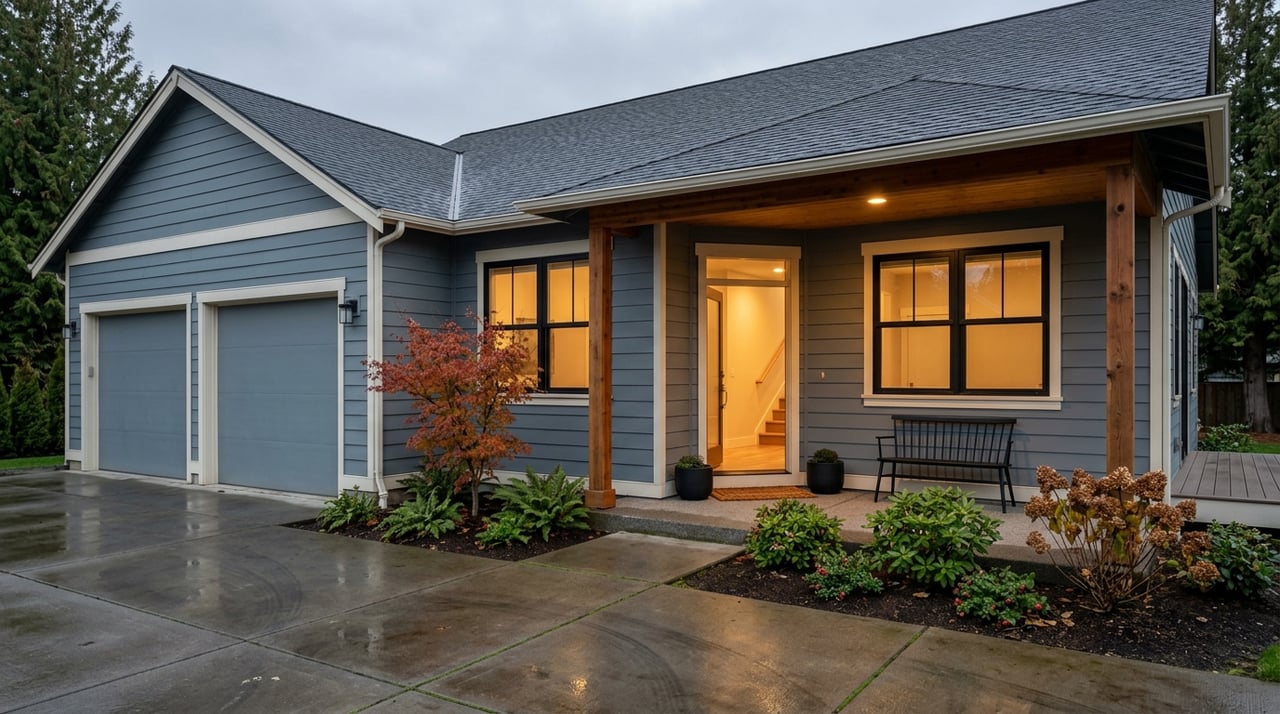
Twilight photography can help create a polished first impression, especially when a home has strong outdoor entertaining areas or reflective water views. But marketing still needs to stay true to the property.
If any virtual staging or photo enhancement materially alters what is shown, that should be disclosed. The strongest campaigns feel aspirational while still being transparent about what is truly on-site and included in the sale.
Why launch strategy matters
In a market like Gig Harbor, your first few days matter. Early visibility, strong photo sequencing, and a sharp pricing strategy can create the kind of attention that leads to better showings and stronger offers.
If a property needs to be reintroduced, refreshed photography and a broader digital push can help reset buyer interest. That is one reason owner-led service and a hands-on marketing plan matter, especially for homes that need more than a standard listing template.
The real goal: prove the premium
When you sell a view or waterfront home in Gig Harbor, you are not just selling location. You are selling documented access, verified improvements, shoreline context, and a lifestyle buyers can immediately understand.
The best outcomes usually come from three things working together: careful pre-list preparation, pricing based on the right comparable sales, and marketing that puts the water-facing experience front and center. When those pieces line up, you give buyers a clear reason to act and a stronger basis for your asking price.
If you are preparing to sell and want a hands-on strategy built around pricing, presentation, and the details that matter for shoreline properties, connect with Christopher Threet | Greater Peninsula Properties.
FAQs
What makes a Gig Harbor waterfront home different from a standard listing?
- Waterfront and view homes often involve shoreline rules, access questions, permits, easements, and improvements like docks or stairs that need to be clearly documented.
How should you price a view home in Gig Harbor?
- You should usually price it against the narrowest relevant set of recent sales, with close attention to view quality, access, outdoor living, and documented shoreline features.
What documents should you gather before listing a waterfront home in Gig Harbor?
- Key items may include seller disclosures, permit records, shoreline-related approvals, survey information, easement details, and any records tied to docks, stairs, retaining walls, or exterior shoreline improvements.
Why do permits matter when selling near the Gig Harbor shoreline?
- The City of Gig Harbor says exterior work within 200 feet of the shoreline often requires permits or code compliance review, so buyers may want proof that improvements were completed legally.
How important is staging for a Gig Harbor view property?
- Staging can be very helpful because it makes it easier for buyers to picture living in the home, especially when the goal is to highlight indoor-outdoor spaces and water-facing rooms.
What should the first listing photos show for a Gig Harbor waterfront home?
- The first images should usually feature the strongest lifestyle assets, such as the water view, deck, shoreline, lawn, dock, or beach access, so buyers immediately see what sets the property apart.