Thinking about living in Gig Harbor but worried about the commute? You are not alone. The peninsula’s beauty and calm pace draw many buyers, yet daily travel to Tacoma, Seattle, or Kitsap can feel complex at first. This guide breaks down your main routes, transit and ferry choices, and the lifestyle trade-offs that come with each, so you can pick a neighborhood that fits how you actually live. Let’s dive in.
SR-16 and the Tacoma Narrows Bridge
Your primary driving link is State Route 16. It crosses the Tacoma Narrows Bridge and connects you to Tacoma, I-5, and the wider Puget Sound region. If you plan to drive most days, proximity to an SR-16 on-ramp is the biggest factor for saving time.
Weekday peaks can slow traffic near the bridge and on approach ramps. Weather, incidents, and construction add variability. Plan for a buffer on high-demand days and check real-time conditions before you leave. If you work hybrid, off-peak trips often feel smoother.
Park-and-ride and express buses
Pierce Transit operates park-and-ride lots and express bus routes that connect Gig Harbor to Tacoma and other Pierce County destinations. Many commuters drive or bike to a lot, then ride an express bus for the most congested leg. This can be more predictable than driving the entire route during peak times.
Availability varies by lot. Some fill early on busy weekdays, and rules on hours and overnight parking differ. If you plan to rely on a park-and-ride, visit your preferred lot at your typical arrival time to see real conditions, then confirm current rules and schedules with the transit agency before you commit to a neighborhood.
Ferry routes to Seattle
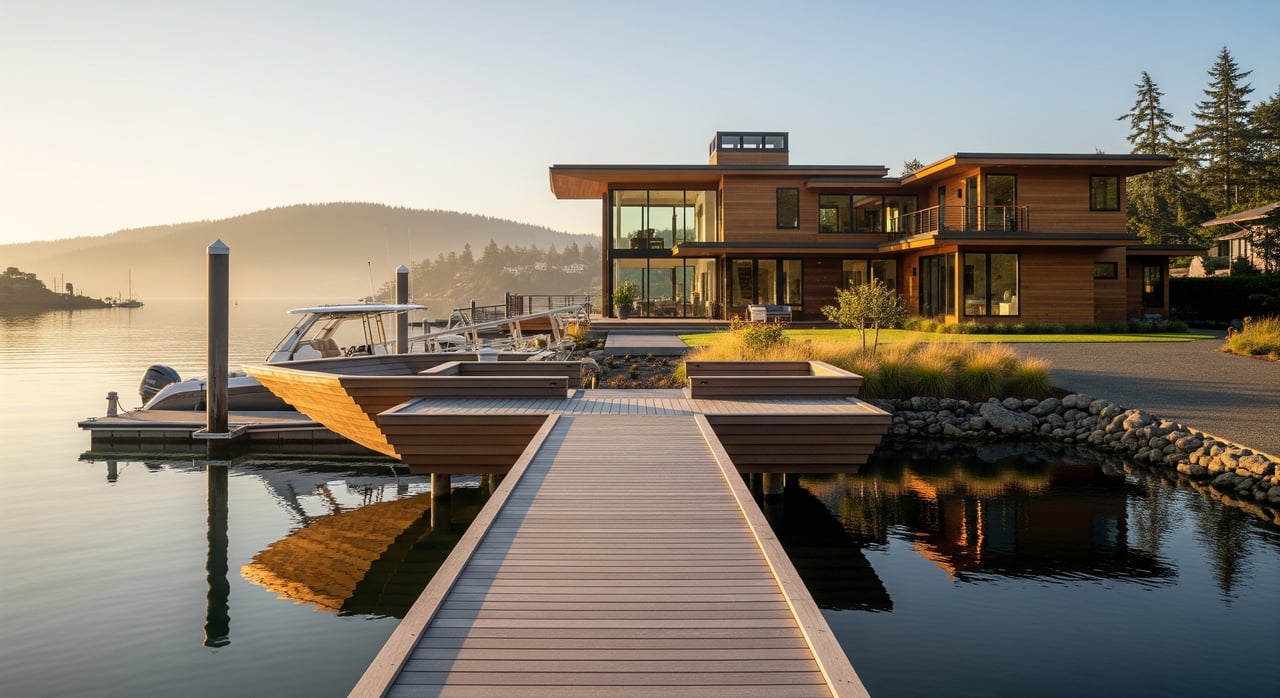
If your destination is Seattle, you have two main ferry concepts to consider. Some residents drive to Kitsap-side terminals, then use a Washington State Ferries route that carries vehicles, which helps if you need your car in the city. Others drive to Bremerton or similar terminals to catch a Kitsap Fast Ferries passenger-only boat, then walk or connect for the last mile in Seattle.
Vehicle ferries add flexibility but involve car queues and vehicle fares. Passenger-only fast ferries are often quicker dock-to-dock, though you will need to plan terminal parking or a drop-off and be on time for boarding windows. Always factor the full door-to-door chain, including driving, parking, walking, and last-mile connections.
Commute times and what to expect
- To Tacoma and nearby Pierce County job centers, SR-16 provides the shortest and most direct commute from Gig Harbor.
- To Seattle, total time varies by time of day and route. Direct driving to I-5 can be lengthy at peak hours. Mixed drive-plus-ferry trips can be competitive during rush periods but require schedule planning.
- To the Kitsap Peninsula, some commuters head to Bremerton for passenger ferries to Seattle, while others work locally on the Kitsap side.
Because conditions change day to day, avoid using a single “typical” time for Seattle. Instead, compare your options during your exact travel windows, then choose the route with the best door-to-door reliability for your lifestyle.
Neighborhood trade-offs near SR-16
Living close to SR-16 on-ramps means quicker access to Tacoma and I-5. It can also put you closer to park-and-ride lots for those express buses. The trade-off is potential traffic noise and a more car-oriented environment near busy corridors.
Areas closer to downtown Gig Harbor and village centers feel more walkable and convenient for restaurants and errands. You may trade a few extra minutes of driving to SR-16 for a more relaxed daily routine once you are home.
Walkability and daily errands
Downtown Gig Harbor offers a higher concentration of shops, dining, and services. If you value short trips for coffee, groceries, and after-school activities, this can be a smart pick. Suburban and rural parts of the peninsula often mean larger lots and quieter streets, though you will likely drive for most errands.
Consider your weekly patterns, not just your commute. If your family has multiple activities, choosing a location that shortens frequent daily trips can save as much time as shaving minutes from your morning drive.
Schools, childcare, and shift work
For families, proximity to schools and childcare can shape your daily timing. School drop-offs and pick-ups add minutes that can affect when you hit SR-16 or a transit stop. Check current school boundaries and routes that match your household’s schedule.
If you work early mornings, late nights, or weekends, confirm whether bus and ferry schedules line up with your shifts. Some routes focus on peak weekday hours. If you need off-peak flexibility, driving or carpooling may be the better primary plan.
Parking and home types
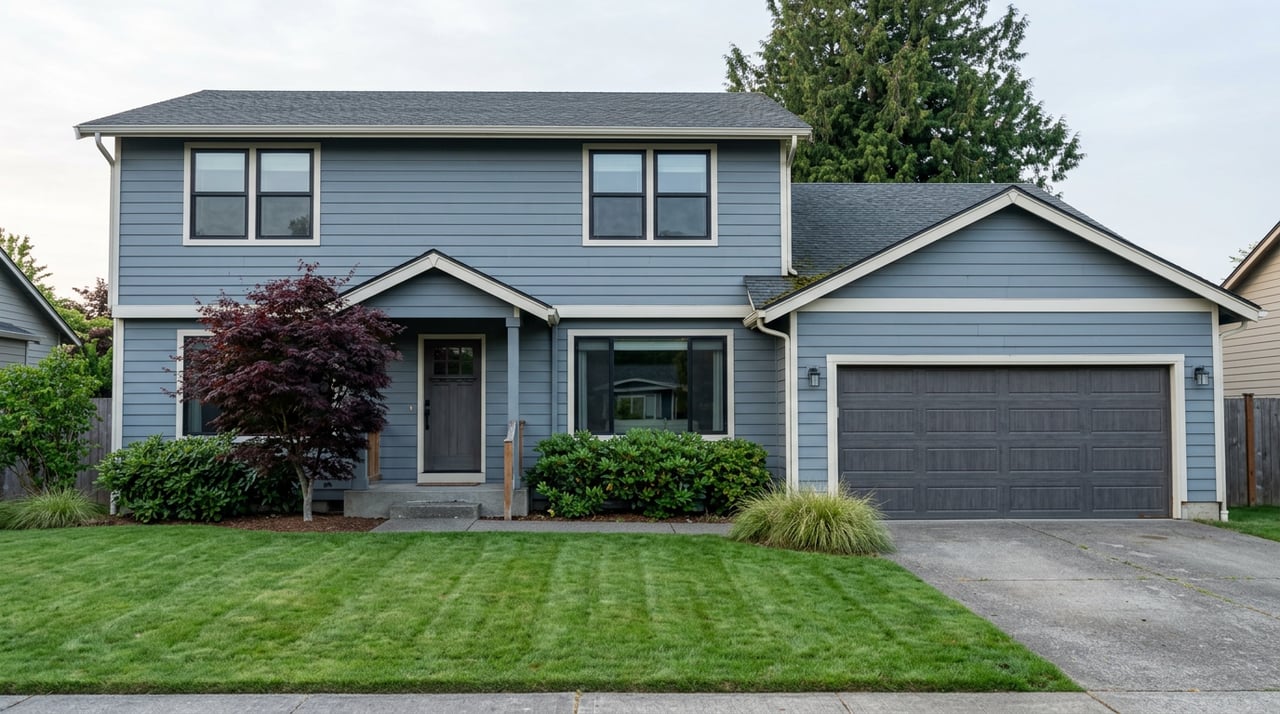
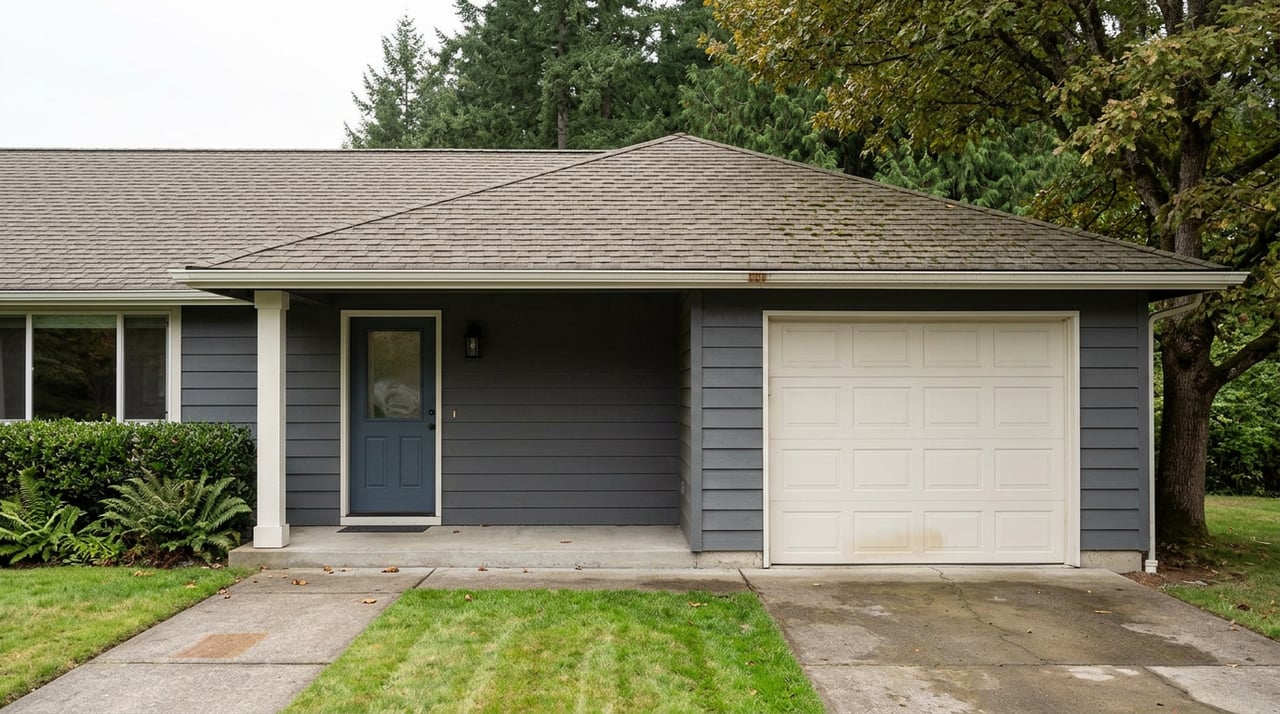
Single-family homes usually offer driveway and garage parking, which is helpful if you will drive to a park-and-ride or ferry terminal. Condos and townhomes in walkable areas may rely on street or structured parking, which could add a few minutes to your routine.
When comparing homes, think through where your car will be each morning and how that affects your departure. A quick, predictable start can reduce the stress of a longer regional leg.
Cost and time trade-offs
- Homes near SR-16 and bus hubs can carry a convenience premium. You may pay more to save minutes.
- Ferry commuting includes recurring fares and possible terminal parking fees. Passenger-only options can save time but still require a drive or drop-off.
- Driving the full route may be cheaper than a paid ferry, yet take longer at peak. Decide whether speed or cost matters more day to day.
For many people, the best plan is a flexible mix. You might drive three days and ferry or bus two days, depending on your meetings and weather.
How to test your commute before you buy
Try these steps for any home on your short list:
- Drive test at peak.
- Do your inbound route on a weekday morning and the return in the evening. Repeat on two different days to see variability.
- Transit or ferry trial.
- Do a full run including the drive to a park-and-ride or terminal, parking or drop-off, boarding, and your last mile on the destination side.
- Check parking logistics.
- Visit your preferred park-and-ride or terminal at your planned arrival time. Note capacity, rules, and any queues.
- Layer in school and errands.
- Add school drop-offs, childcare, or regular appointments to your timing to see your real daily pattern.
- Ask about employer programs.
- Some employers support vanpools, carpools, or subsidized passes, which can change your best option.
When buses or ferries make sense
Transit and ferries can shine during high congestion or when you value predictability over flexibility. If your schedule is consistent and you have easy access to a park-and-ride or terminal, the time can be competitive with a peak-hour drive. If your day is meeting-heavy or you need to bring tools or gear, a full drive may be simpler.
Tip: Many commuters pick one primary plan and one backup. For example, bus in the morning for reliability, drive home if afternoon timing shifts.
Matching neighborhoods to your routine
- SR-16 access priority: If you commute most days to Tacoma, look near on-ramps to cut travel time and stress.
- Walkable lifestyle priority: If you value restaurants and shops nearby, look near downtown or village centers and plan a few extra minutes to reach SR-16.
- Quiet and space priority: If you prefer larger lots and privacy, consider suburban or rural areas and accept more driving for errands and transit access.
There is no one right answer. Focus on what you do most often, not the exception days.
Your next step
A smart Gig Harbor purchase balances commute realities with the way you want to live. Compare your likely routes, test them at your hours, and choose a neighborhood that supports your daily rhythm. If you want local guidance and a practical game plan for tours, commute testing, and neighborhood fit, connect with Christopher Threet | Greater Peninsula Properties. We help buyers and sellers make clear, confident decisions across Gig Harbor and the Kitsap Peninsula.
FAQs
What is the main commute route from Gig Harbor?
- SR-16 across the Tacoma Narrows Bridge is the primary link to Tacoma, I-5, and the broader region.
Are commutes to Tacoma shorter than to Seattle from Gig Harbor?
- Yes. SR-16 provides a direct connection to Tacoma, while Seattle trips are longer and depend on whether you drive the full way or use a ferry connection.
How do park-and-ride lots work near Gig Harbor?
- You drive or bike to a lot, park, then transfer to an express bus; capacity and rules vary by lot, so check conditions at your arrival time and review current policies.
Is taking a ferry to Seattle faster than driving?
- It can be at peak times, but results vary; compare full door-to-door timing, including the drive to the terminal, parking or drop-off, ferry time, and your last-mile connection.
What if I work early mornings or late nights?
- Verify bus and ferry schedules for your exact shift; if service is limited outside peak hours, plan to drive or arrange a carpool and keep a backup option.
How should I evaluate neighborhoods for commute fit?
- Prioritize access to SR-16 for Tacoma-focused commutes, choose walkable centers if you value local amenities, or pick quieter areas for space, then test your routes at your actual times.