Selling your home in Kitsap County is not just about putting a sign in the yard and hoping for the best. The homes that make the strongest first impression usually have something in common: the seller got organized early, handled the obvious issues, and lined up the right paperwork before listing. If you want fewer surprises, a smoother sale, and a better launch to market, this checklist will help you focus on what matters most. Let’s dive in.
Why pre-listing prep matters in Kitsap County
Every home sale benefits from cleaning, repairs, and solid marketing, but Kitsap County adds a few local layers. Septic systems, private water, shoreline rules, and permit history can all affect timing and buyer questions.
That means your pre-listing checklist should go beyond basic tidying. When you prepare early, you give yourself more time to solve issues, gather records, and avoid delays once your home is active on the market.
Start with cleanup and presentation
Before you think about photos or showings, make your home easier for buyers to understand. Clean, open spaces tend to feel larger, more usable, and easier to picture as a future home.
According to 2025 staging research from NAR, decluttering, cleaning, and curb appeal improvements are among the most common seller recommendations. The same research found that many agents reported staged homes sold faster, and 29% said staging increased the dollar value offered by 1% to 10%.
Declutter key spaces first
You do not need to strip all personality from your home, but you should remove extra belongings and personal items. Pack away anything that makes rooms, counters, closets, or storage spaces feel crowded.
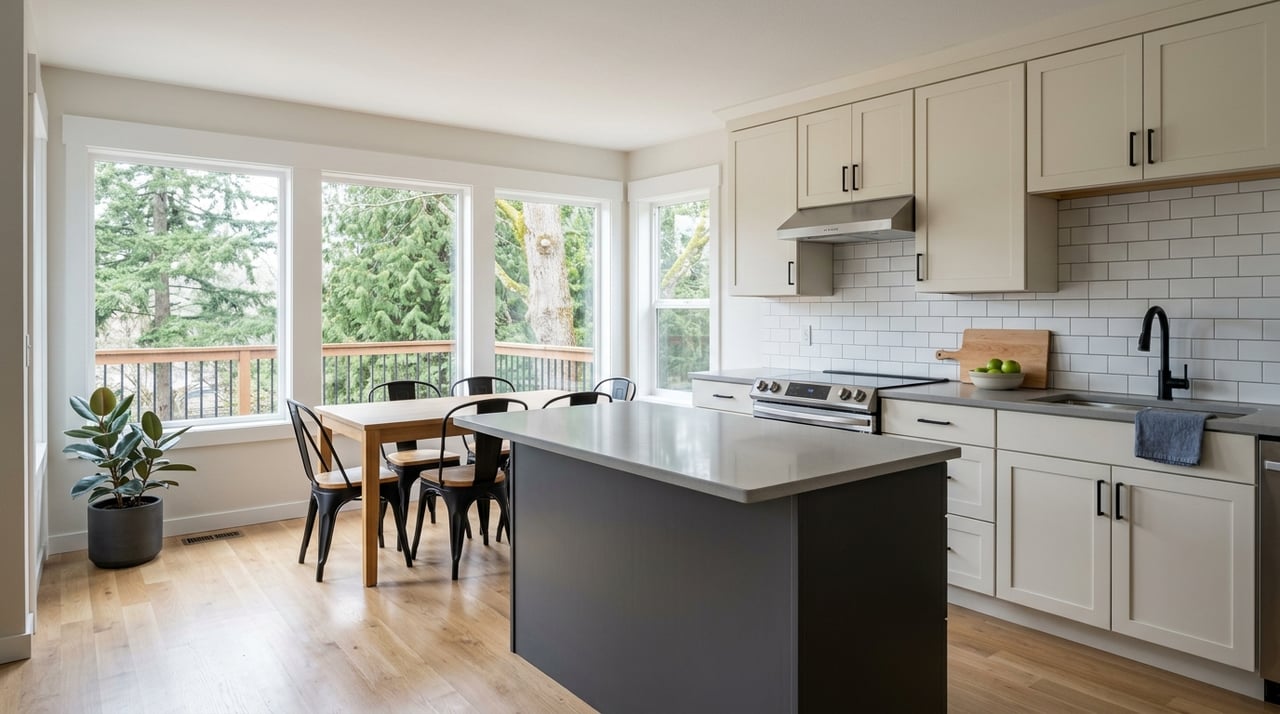
Focus first on the areas buyers notice most. NAR identified the living room, primary bedroom, dining room, and kitchen as top staging priorities.
Deep-clean before photos
A thorough cleaning is one of the simplest ways to improve how your home shows online and in person. Pay close attention to kitchens, bathrooms, floors, and windows.
Try to schedule photography only after the home is cleaned and staged. NAR reports that listing photos, videos, virtual tours, and physical staging are highly important to buyers, and strong online presentation can increase interest in touring the home.
Boost curb appeal
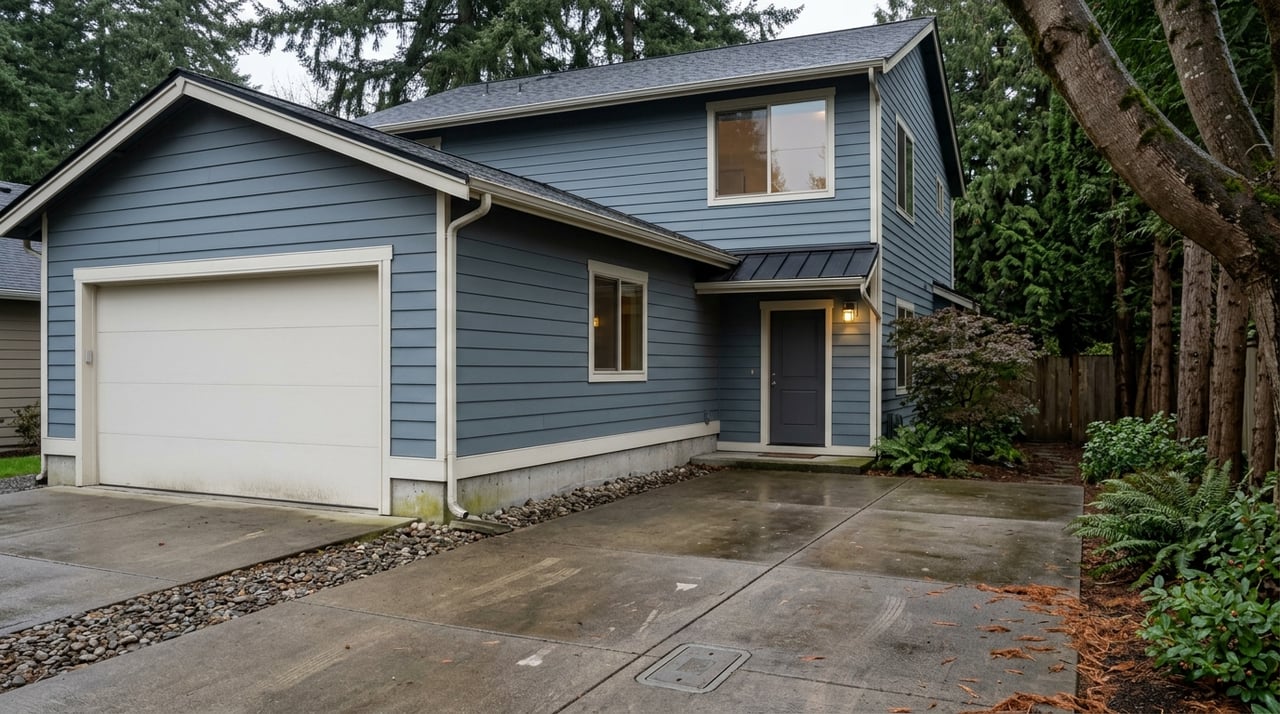
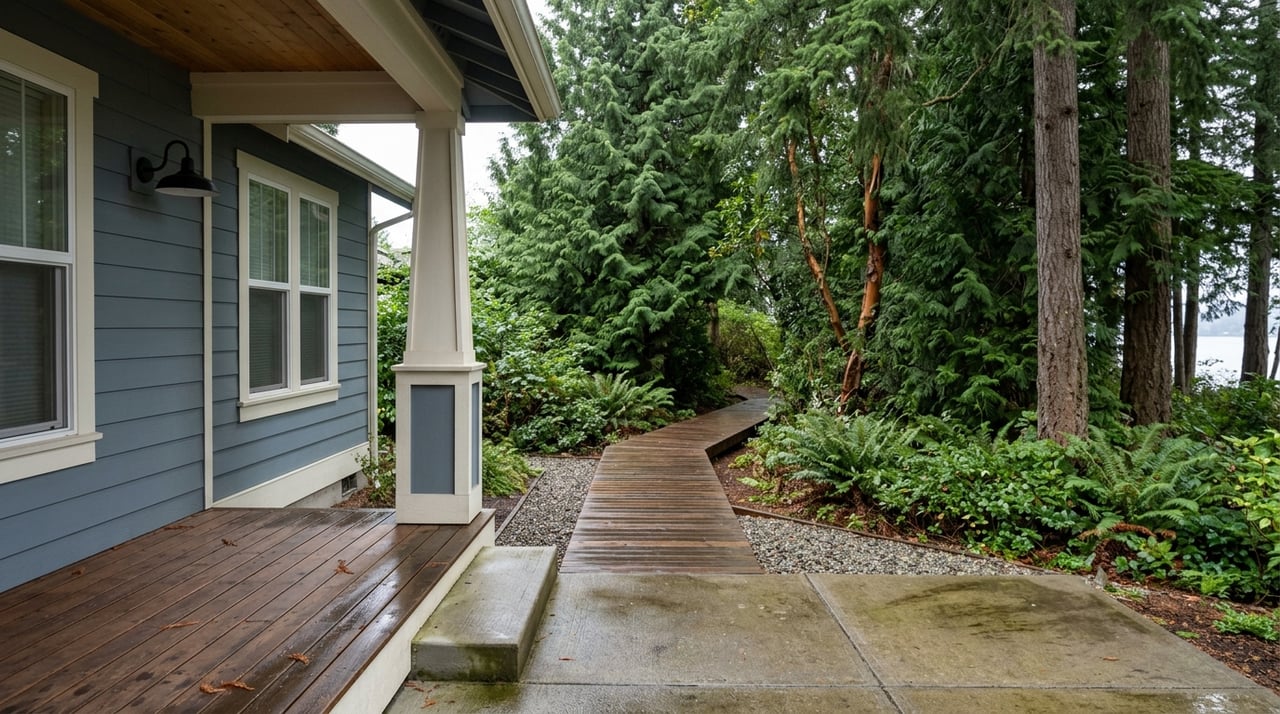
Your entry and exterior set the tone before a buyer ever walks inside. Keep the front approach simple, tidy, and well maintained.
That may mean trimming back overgrowth, clearing porches, sweeping walkways, and making sure the first exterior photo feels inviting. Neutral styling and a neat entry can go a long way.
Fix visible issues before buyers see them
You do not need to repair every minor flaw before listing. But obvious defects can raise concerns quickly during showings and inspections.
As a practical rule, address anything that looks like deferred maintenance or hints at a bigger issue. Buyers often notice the small signs first, then start wondering what else may have been overlooked.
Prioritize the problems buyers flag fast
Move visible repair items to the top of your list, including:
- Leaks
- Water intrusion
- Damaged trim
- Loose railings
- Broken fixtures
- Other clearly visible maintenance issues
If your home has had roof leaks, basement moisture, or other water intrusion, deal with it early or document it clearly. Washington's seller disclosure form specifically asks about issues like roof leaks and basement flooding.
Check permit history before listing
If you have completed work on the home over the years, now is the time to confirm what was permitted. Kitsap County provides access to public records that can help you review permit and property information before your home goes on the market.
This step is especially useful if you added features, updated exterior elements, or are not fully sure how prior work was documented. It is much easier to answer buyer questions when you already have the record in hand.
Know what may require a permit
Kitsap County says many cosmetic updates, such as painting, tiling, carpeting, cabinets, and countertops, generally do not require a building permit. But structural work and many exterior projects can trigger permit requirements.
The county specifically notes that decks, taller fences, larger roofing projects, shoreline structures, and driveway or road-approach changes may be permit-sensitive. Even when a permit is not required, projects still need to comply with building codes, setbacks, shoreline rules, and other county regulations.
Gather disclosures and records early
One of the smartest things you can do before listing is organize your documents. When buyers ask questions, quick and accurate answers help build confidence.
Washington requires a completed seller disclosure statement for improved residential real property unless an exception applies. The form is based on your actual knowledge, and if new information makes an earlier answer inaccurate, you generally must amend it unless the issue is corrected before closing.
Pull the records buyers often ask for
Before your home hits the market, gather:
- Permit history
- Recorded documents
- Sales history
- Tax and parcel details
- Service records for roof, plumbing, electrical, HVAC, and septic
Kitsap County's public records tools can help you locate parcel details, building data, value history, sales history, recorded land documents, and survey maps. Having these records ready can save time once offers and inspections begin.
Keep service and repair records together
If you have repaired or maintained major systems, create one simple file. Include invoices, contractor names, dates of service, and any inspection reports you have.
These records can help explain what was fixed, when it was done, and whether a system has been regularly maintained. That kind of paper trail can be especially helpful if buyers are reviewing an older roof, septic system, plumbing repair, or electrical update.
Remember older-home disclosure rules
If your home was built before 1978, lead-based paint disclosure rules apply. Sellers of most pre-1978 housing must disclose known lead-based paint information before contract, and buyers must receive a 10-day opportunity to test for lead hazards.
If renovation or repair work has been done in a pre-1978 home, lead-safe practices also matter. This is one of those items worth confirming early rather than scrambling over later.
Plan ahead for septic and private water
This is one of the biggest Kitsap-specific parts of your pre-listing checklist. If your property uses septic or private water, do not wait until the last minute.
Kitsap Public Health says septic property-conveyance inspections require a record drawing, and private or Group B water systems need a Water Status Report before sale. Applications should be submitted 30 days before transfer.
In 2025, Kitsap reported significant deficiencies on 27% of septic conveyance inspections and 44% of private water status reports. Those numbers are a strong reminder that these items can affect your timeline if you leave them too late.
Septic checklist for sellers
If your home is on septic, make sure you:
- Locate the septic drainfield and reserve area
- Keep vehicles and structures off those areas
- Keep alternative-system components accessible for maintenance
- Avoid unpermitted connections to outbuildings
- Gather the required record drawing early
These steps can help prevent delays during the sale process and make it easier to complete the required inspection work.
Private well and water checklist
If your home relies on private water, check the basics well before listing. Kitsap Public Health advises owners to keep the wellhead above grade, make sure caps and entry points are sealed, and keep bacteria sampling current.
You should also plan ahead for the required Water Status Report if your system falls under that requirement. Waiting until you are already under contract can create unnecessary pressure.
Be careful with waterfront and exterior changes
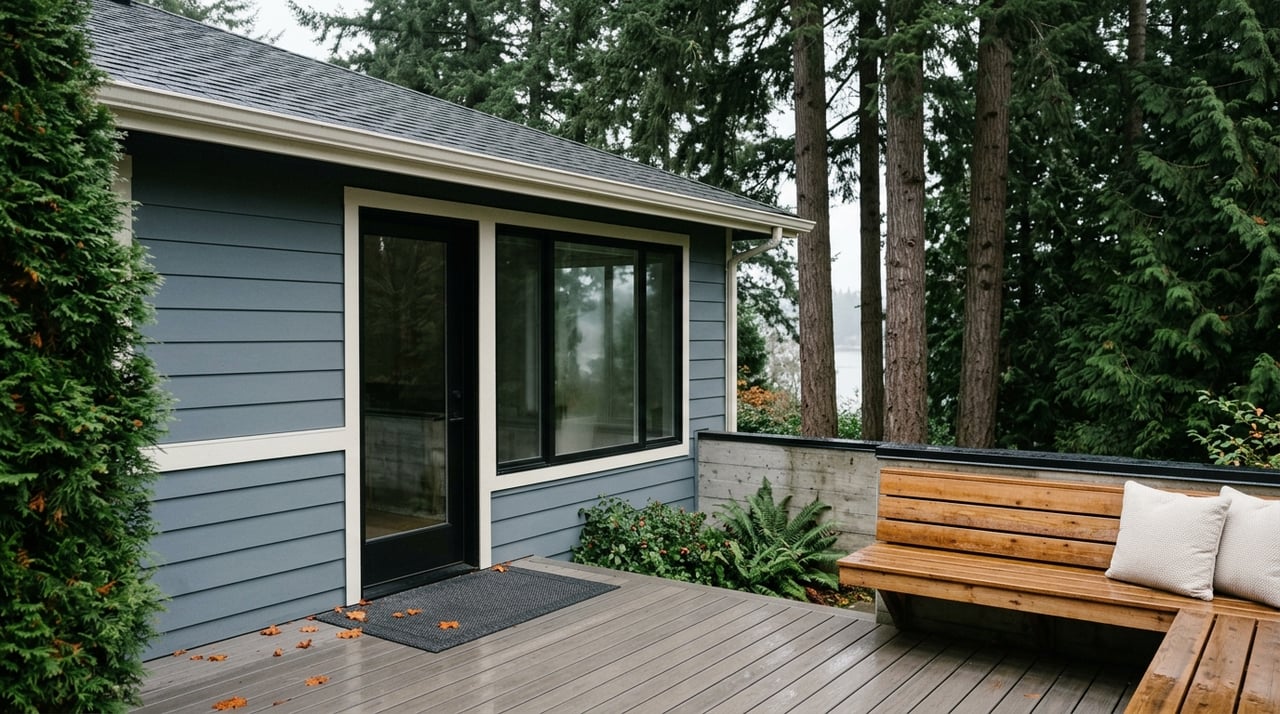
Waterfront homes often attract strong interest in Kitsap County, but they also come with added rules. If your property is on or near the shoreline, be cautious about making last-minute exterior changes before listing.
Kitsap County says shoreline exemptions are interpreted strictly, require approval, and may still require other shoreline or development permits. That can apply to features like decks, patios, stairs, bulkheads, and other water-adjacent improvements.
Check before you remove trees
Tree removal is another area where sellers should pause before acting. Kitsap notes that some tree-removal projects do not require permits, but the county recommends consultation first to avoid unauthorized removal and possible fines.
If you are thinking about clearing views, opening up the lot, or removing larger trees before listing, verify the rules first. Guessing can create a much bigger problem than the one you were trying to solve.
A simple pre-listing checklist
If you want a quick version, here is a practical order to follow:
- Declutter and depersonalize the home
- Deep-clean interior spaces and tidy the exterior
- Fix visible defects and known water issues
- Confirm permit history for past work
- Gather service records and property documents
- Complete required seller disclosures carefully
- Start septic and water paperwork early if applicable
- Check shoreline or tree-removal rules before exterior changes
- Schedule photography after cleaning and staging
- Launch with a clear plan for showings and buyer questions
Why early prep pays off
The best pre-listing work gives you options. You can choose what to repair, what to disclose, what to document, and how to present your home without being forced into rushed decisions.
In a market like Kitsap County, that matters. A well-prepared listing is easier to market, easier for buyers to evaluate, and less likely to hit avoidable delays once the sale is underway.
If you are getting ready to sell in Port Orchard, Bremerton, Poulsbo, Gig Harbor, Manchester, or nearby parts of Kitsap County, working with a local team can help you sort out the county-specific details before they become problems. When you want a clear plan for prep, pricing, and professional presentation, connect with Christopher Threet | Greater Peninsula Properties.
FAQs
What should Kitsap County home sellers do first before listing?
- Start with decluttering, deep cleaning, and identifying visible repair issues so your home shows well and you have time to address problems before photos and showings.
Do Kitsap County sellers need to fix everything before listing a home?
- No. You do not need to fix every minor issue, but you should address or clearly document visible defects, water intrusion, and other problems likely to come up in disclosures or inspections.
Do cosmetic updates need permits in Kitsap County?
- Usually not for finish work like painting, tiling, carpeting, cabinets, and countertops, but larger or structural projects may require permits and still must comply with county codes and regulations.
When should sellers start septic or water paperwork in Kitsap County?
- As early as possible. Kitsap Public Health requires advance steps for septic conveyance inspections and water status reports, and applications should be submitted 30 days before transfer.
What documents should home sellers gather before listing in Kitsap County?
- Gather permit history, recorded documents, tax and parcel details, sales history, and service records for major systems like roof, plumbing, electrical, HVAC, and septic.
What should waterfront home sellers in Kitsap County know before making changes?
- Waterfront sellers should check shoreline rules before changing decks, patios, stairs, bulkheads, or other exterior features because shoreline exemptions are limited and may still require approvals or permits.
What if a Kitsap County home was built before 1978?
- If the home was built before 1978, lead-based paint disclosure rules apply, including disclosure of known information before contract and a 10-day opportunity for buyers to test for lead hazards.