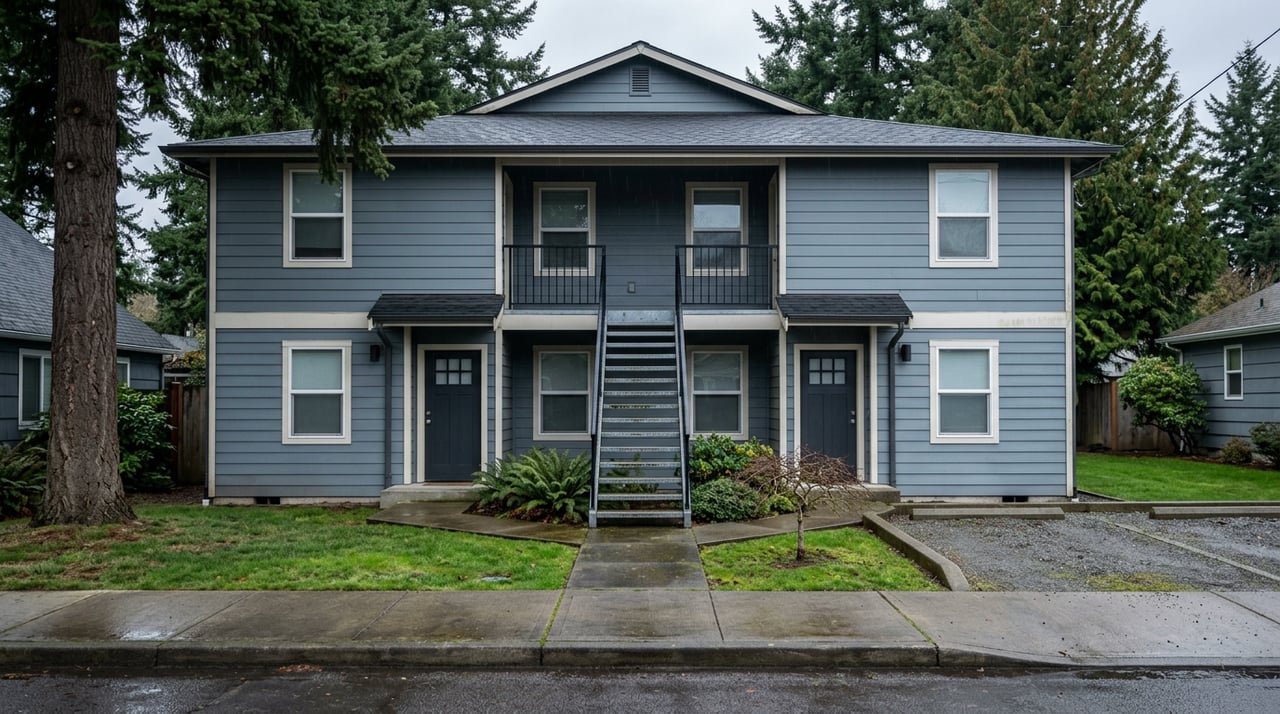
If you could live in one unit and have your neighbors help pay the mortgage, would you take a closer look? In Bremerton, small multifamily properties give you that chance with steady renter demand, approachable price points, and a practical path to long-term cash flow. Whether you are house hacking or expanding a portfolio, you want clear numbers, local rules, and an underwriting checklist you can trust. In this guide, you will learn the market drivers, typical price and rent ranges, vacancy patterns, and the exact line items to use when you run the math. Let’s dive in.
Why Bremerton works for small multifamily
Demand anchors you can count on
Bremerton’s rental base is supported by a high share of renters and a modest median gross rent, according to the city’s planning profile, which helps newer landlords find tenants across unit types. You also benefit from the region’s largest employer, Naval Base Kitsap and the Puget Sound Naval Shipyard, which together anchor tens of thousands of jobs and steady housing demand. Ferry service matters too. Recent reporting shows strong Kitsap Transit fast-ferry ridership on Bremerton routes, which supports rental demand near the terminal and downtown corridor.
- City context: see the city’s housing and demographics summary in the Bremerton planning profile.
- Employment: confirm the Navy’s role in the Kitsap Economic Development Alliance employer report.
- Commuting: fast‑ferry traffic is highlighted in this Bremerton ridership update.
Where units lease predictably
Demand tends to be strongest near major employment and transit. Properties close to the shipyard, ferry terminal and downtown corridor, healthcare nodes, or Olympic College often lease more consistently. If you are house hacking, proximity to these areas can support stronger rent per square foot and shorter lease-up times.
Typical properties and prices
Common building types and age
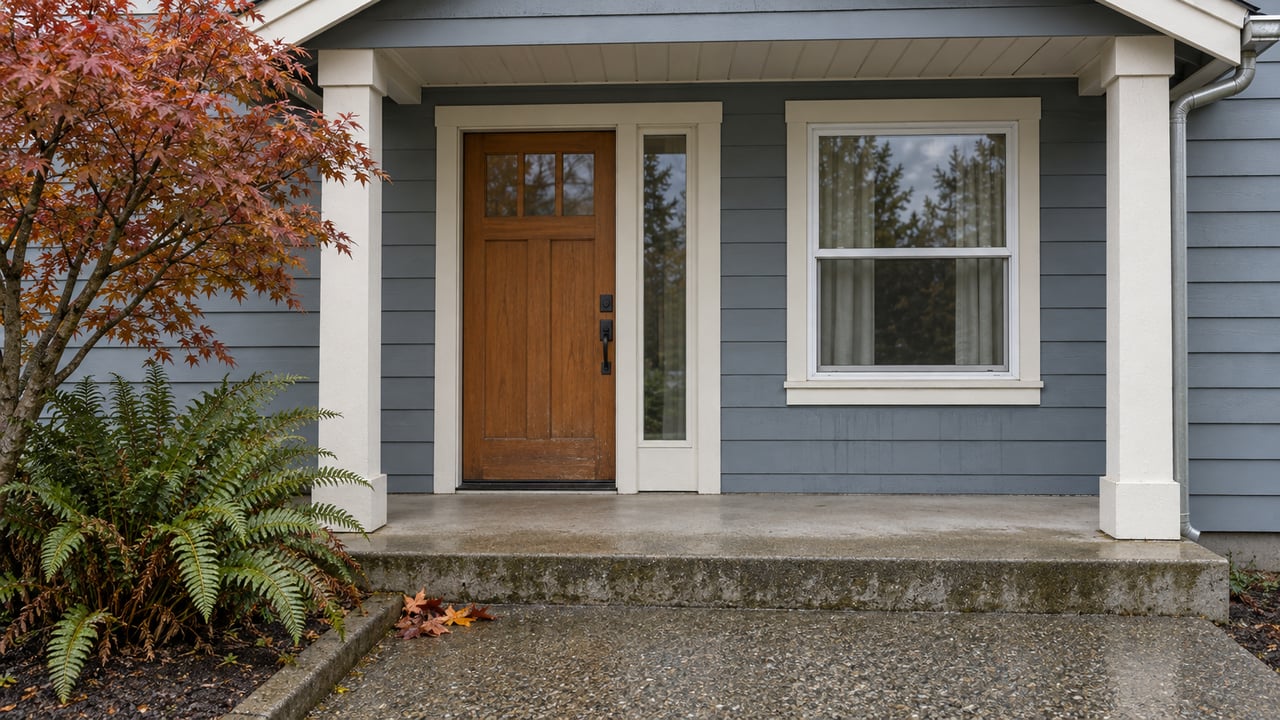
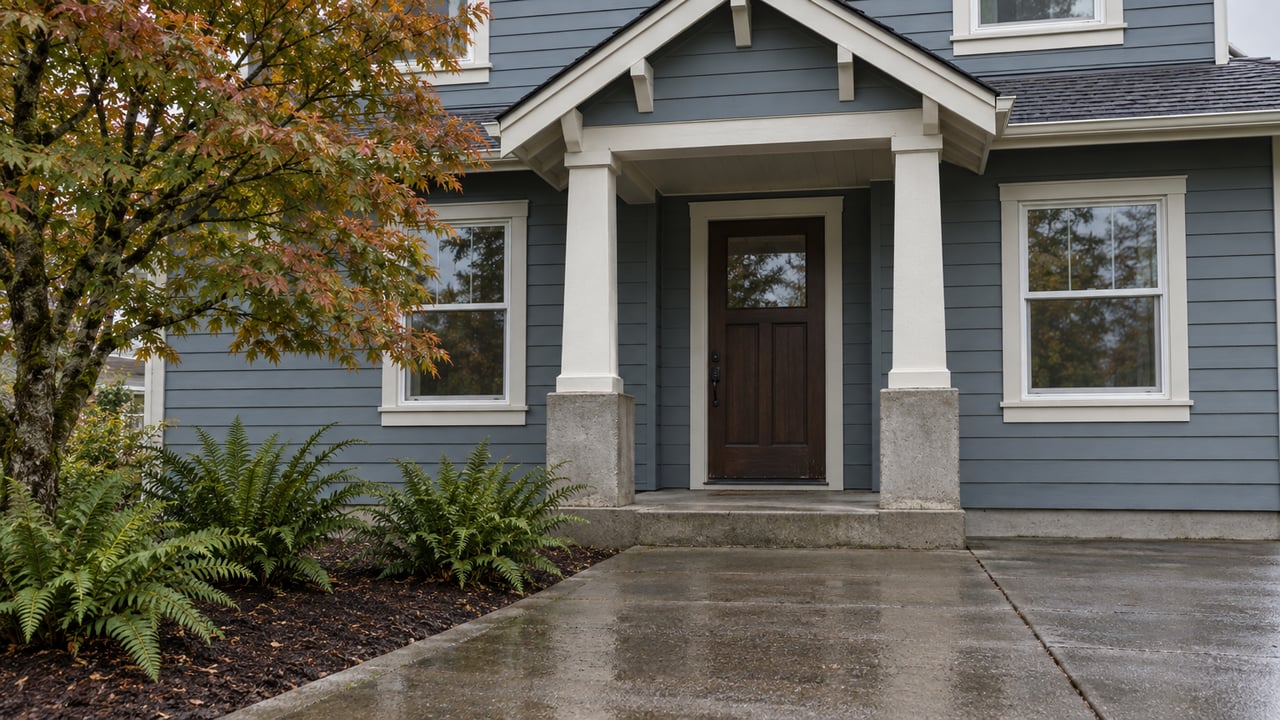
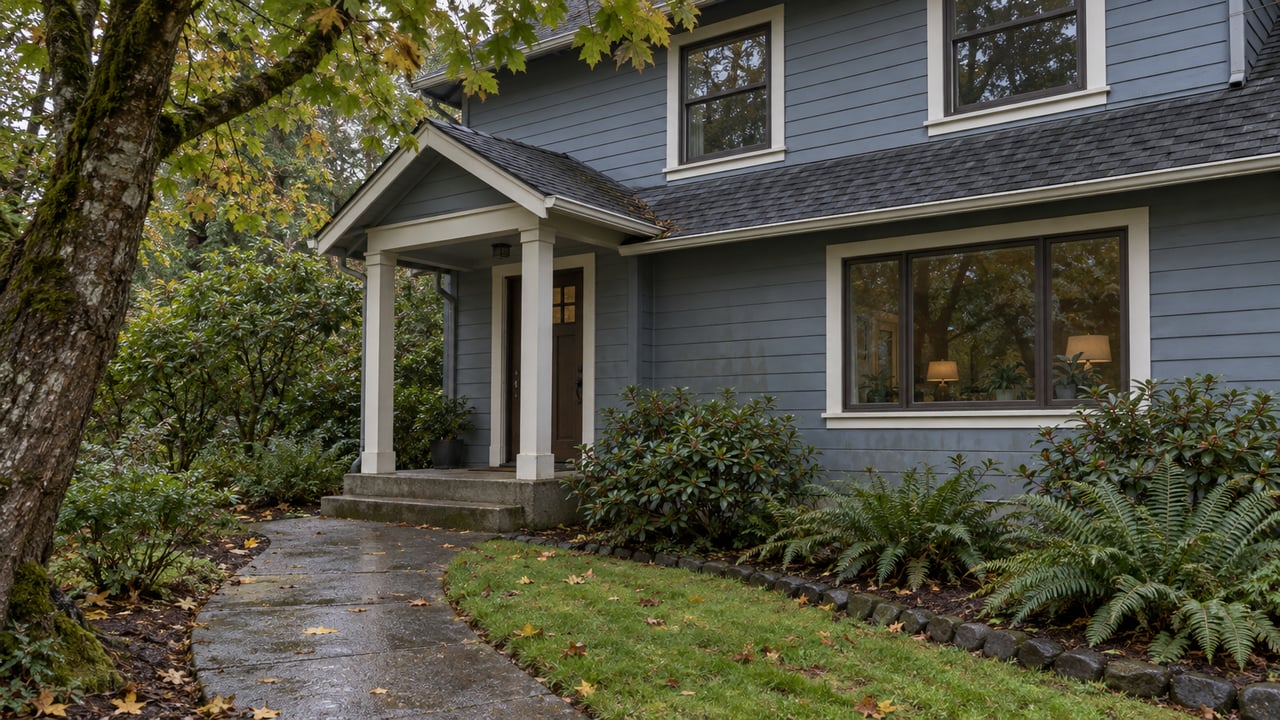
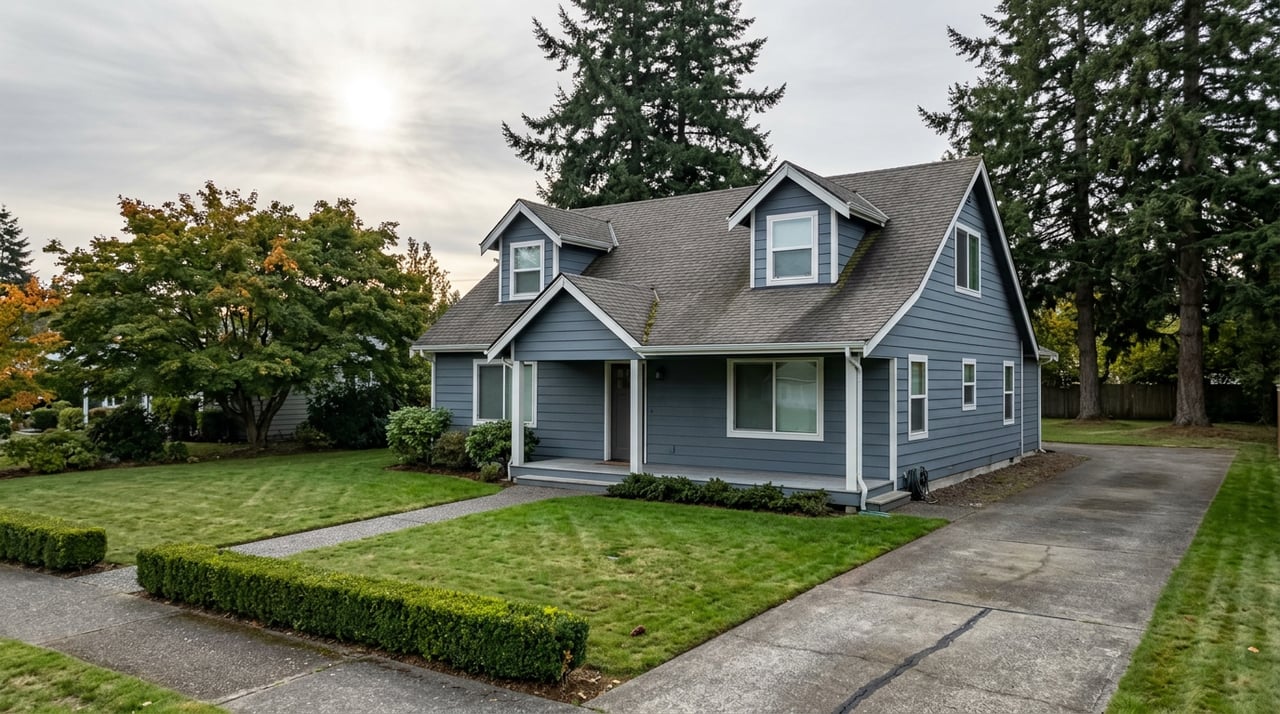
Most Bremerton duplexes, triplexes, and fourplexes are older stock. You will see side-by-side duplexes, two-over-two configurations, small garden walk-ups, and converted Craftsman-era homes. The city’s housing appendix shows a substantial share of homes built before 1980, which is why updated systems and recent renovations can vary widely by property. Review permit history and inspections carefully to understand electrical, plumbing, roofing, and moisture conditions.
Price ranges to expect
Recent activity suggests many small multifamily listings land in the $400,000 to $600,000 range depending on location and condition. As a quick screen, assume $150,000 to $300,000 per door with premiums near the ferry and discounts for deferred maintenance. Always rely on recent comparable sales, current rent rolls, and the most recent six months of MLS activity when you write an offer.
Rents, vacancy, and seasonality
Bremerton’s asking rents commonly fall into workable, mid-market bands. Aggregated rental trackers show one-bedrooms around $1,500 to $1,700, two-bedrooms around $1,800 to $2,100, and three-bedrooms roughly $2,100 to $2,400, depending on neighborhood and product. Use active comps to confirm current achievable rent and cross-check with local data sources such as RentCafe’s Bremerton trends.
Vacancy in Kitsap County moves with the economic cycle. County analysis shows two-bedroom vacancy around 4.5% at its low in 2021 and roughly 7.3% by October 2022, which is a helpful benchmark when you set a conservative assumption for Bremerton. You can review historical trends in the county’s Housing Availability and Affordability Analysis. Seasonally, spring and summer lease-ups tend to be faster, while late fall and winter are slower. Locations near the shipyard, ferry, and downtown can experience more steady demand throughout the year.
Underwriting a Bremerton 2–4 unit
Below is a practical pro forma framework you can tailor to each property. Replace every placeholder with the rent roll, actual utility bills, inspection findings, and the tax statement for the parcel.
Income assumptions
- Scheduled gross rent: start with today’s market comps and underwrite slightly below top-of-market asking until you confirm unit condition and leases. A 95% to 98% haircut to asking rents is a good screening approach supported by local rental trackers such as RentCafe.
- Other income: coin laundry, parking, pet fees, and storage can add $0 to $50+ per unit per month. Verify the offering and local demand before adding these lines.
Vacancy and credit loss
- Use a 5% to 8% vacancy and credit loss assumption for initial screens. Lean to the higher end if the building needs work or the rent comps show longer days on market. County vacancy history supports a conservative buffer, which you can review in the Kitsap housing analysis.
Operating expenses
- Management: budget 6% to 12% of collected rent if you will use third-party management. Many firms land in the 8% to 10% band, with separate leasing fees at placement. For a national overview, see this industry guide on typical property management fees.
- Repairs and maintenance: set 5% to 10% of gross rents depending on age and condition. Older Bremerton buildings often need higher reserves.
- Property taxes: do not use a rule of thumb. Pull the actual tax bill and the assessor’s card. Typical Bremerton duplexes often show annual taxes in the low-to-mid-thousands, but verify the specific parcel.
- Insurance: older construction, coastal proximity, and below-grade units can affect premiums. Get a landlord policy quote before you finalize your numbers.
- Utilities: confirm who pays water, sewer, garbage, electricity, and gas. Model owner-paid utilities using recent bills.
- Reserves for replacement: use $200 to $600 per unit per year and adjust after inspection. This aligns with common appraisal and IREM-style guidance.
Turnover costs
- Plan for paint, flooring, cleaning, and minor fixture updates between tenants. A practical per-unit range is $1,000 to $6,000 depending on scope and condition. Use actual vendor invoices to confirm.
Quick screening example
- Gross potential rent (triplex): $1,500 + $1,900 + $2,100 = $5,500 per month or $66,000 per year.
- Vacancy and credit loss at 7%: $61,380 effective gross income.
- Operating expense ratio at 35% to 45%: $21,500 to $27,600 per year.
- Estimated NOI before debt service: $33,780 to $39,880 per year.
This is a screening tool to see if a property merits deeper due diligence. Always replace with the actuals from the seller and your inspection team.
Financing and house-hack paths
Owner-occupied conventional loans for 2–4 unit purchases can be accessible for qualifying borrowers. Fannie Mae updated its approach in late 2023, which expanded options for some owner-occupied 2–4 unit buyers. Review the current guidelines in the Fannie Mae update and confirm requirements with your lender. Down payments, reserves, and income treatment vary by borrower profile and property specifics.
Local rules, risk, and due diligence
City license and landlord compliance
If your property is inside Bremerton city limits, you need a City Landlord Business License. The current program includes a modest annual fee and basic landlord notification program steps. Confirm requirements on the city’s Landlord License page and factor the cost into your operating budget.
Flood and shoreline checks
Parts of downtown and shoreline corridors fall within mapped FEMA flood hazard areas. Before you waive contingencies, check FEMA maps, Kitsap County GIS, and any available EIS materials for your parcel. Shoreline rules, base flood elevations, and elevation certificates can impact insurance and retrofit costs. For local context, the waterfront improvement Draft EIS references relevant flood mapping and panels; review the Bremerton Waterfront Improvements Draft EIS as a starting point and then pull parcel-specific data.
Site-level checklist
- Verify legal unit count and permitted use with the assessor and permit history.
- Request the rent roll, trailing 12 months of income and expenses, recent utility bills, and three months of operating bank statements.
- Order a thorough inspection focused on roof, structure, plumbing, electrical, heat, ventilation, and moisture.
- Confirm flood zone status and obtain an elevation certificate for below-grade or shoreline units.
- Pull the property tax history and confirm special assessments with the county. Do not rely on listing remarks.
How professional management helps
For many investors and house hackers, professional management can stabilize operations and reduce risk. A local manager can speed lease-up, set market rents, screen tenants, coordinate maintenance, and keep you compliant with notices and timelines. Full-service fees commonly fall in the 8% to 10% range with a separate leasing fee, consistent with broader market data on property management pricing. If you plan to live in one unit, you can scope management for the tenant-occupied units only.
What we do for investors
You should not have to choose between local knowledge and end-to-end support. Our team pairs neighborhood-level pricing and negotiation expertise with in-house, turnkey property management under the Gig Harbor Property Management identity. We help you identify the right duplex, triplex, or fourplex, underwrite with local comps, coordinate inspections and vendor bids, and then move seamlessly into leasing and ongoing operations. Whether you are local or out of area, you get a single partner for acquisition and long-term management.
Ready to line up a short list and run the numbers together? Let’s talk about your goals, neighborhoods that fit your plan, and what today’s rent comps mean for your returns. Reach out to Christopher Threet | Greater Peninsula Properties to get started.
FAQs
What vacancy rate should I underwrite in Bremerton?
- A conservative rule of thumb is 5% to 8% for small multifamily, informed by county vacancy history and the building’s condition and location.
What are typical Bremerton 2-bedroom rents?
- Aggregated trackers show many two-bedrooms around $1,800 to $2,100 depending on neighborhood and product; confirm with active local comps.
Do I need a Bremerton landlord license to rent my duplex?
- Yes, long-term rentals in city limits require a City Landlord Business License and participation in the city’s landlord program.
How do ferries affect demand near downtown?
- Strong fast-ferry ridership supports steady renter interest near the terminal and downtown, which can reduce lease-up times for well-located units.
Can I use a low down payment for a 2–4 unit I will occupy?
- Some owner-occupied buyers may qualify under updated Fannie Mae guidelines for 2–4 unit properties; confirm current requirements with your lender.